
Important — please read
This article is general information only and is not medical or dietary advice. Weight-loss injections (GLP-1 receptor agonists such as semaglutide and tirzepatide) are prescription medicines. Decisions about starting, stopping, dosing and nutrition should be made with your doctor or an Accredited Practising Dietitian. Never restrict your eating to speed up weight loss without professional guidance. MealPantry is a meal-planning and budgeting app — not a medical device.
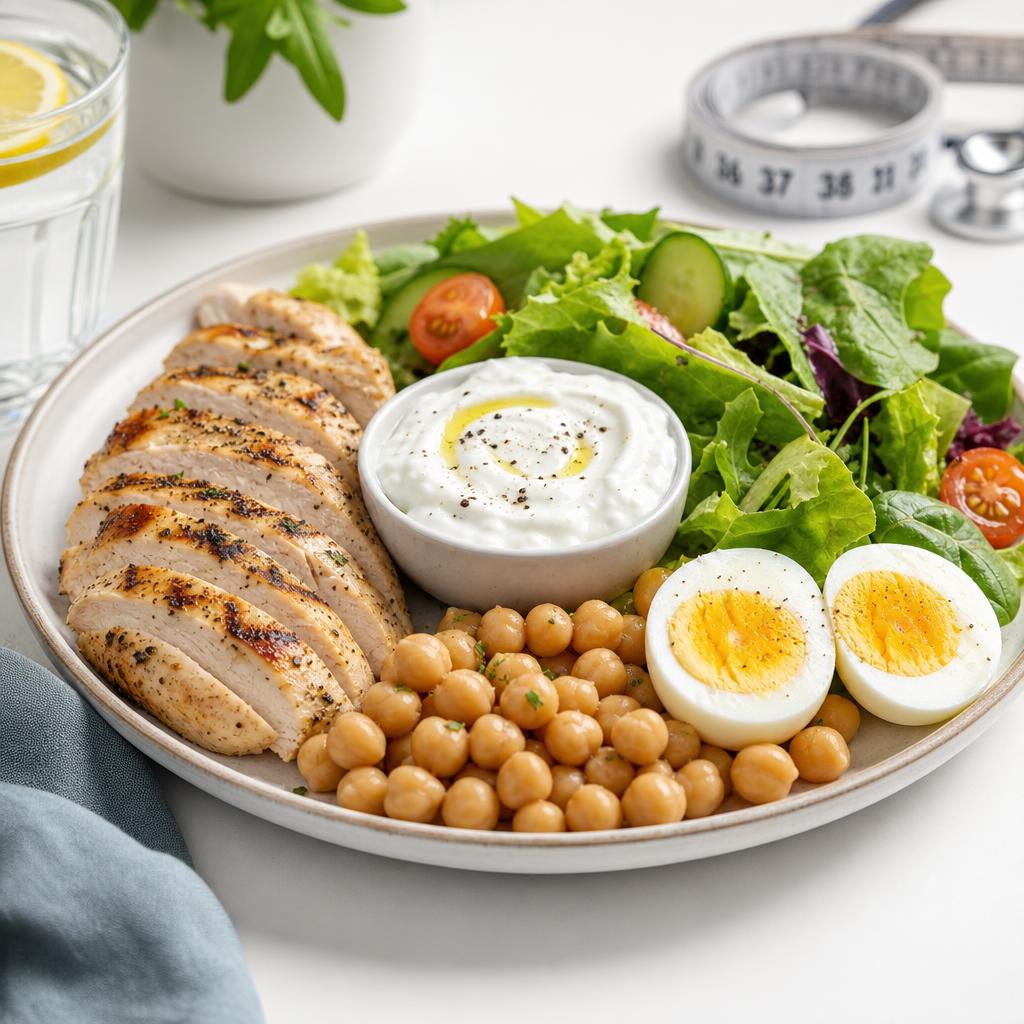
On weight-loss injections, what you eat can matter more than how little — protein helps protect muscle.
Medicines used for weight management — including Wegovy and Mounjaro — can significantly reduce appetite. Many people taking GLP-1 medicines find they simply feel like eating far less. But here's what the research is now making clear: the biggest mistake is trying to eat as little as possible. What you eat matters more than how little, and getting it wrong can cost you muscle, energy and long-term health.
Here's what the science says, what to actually put on your plate, and how to do it without blowing the budget.
MealPantry builds nutrient-dense, high-protein meals around your budget and this week's specials — the easy way to eat well while your appetite is low.
⬇ Turn This Week's Specials Into 7 DinnersProtein-rich meals, planned for you
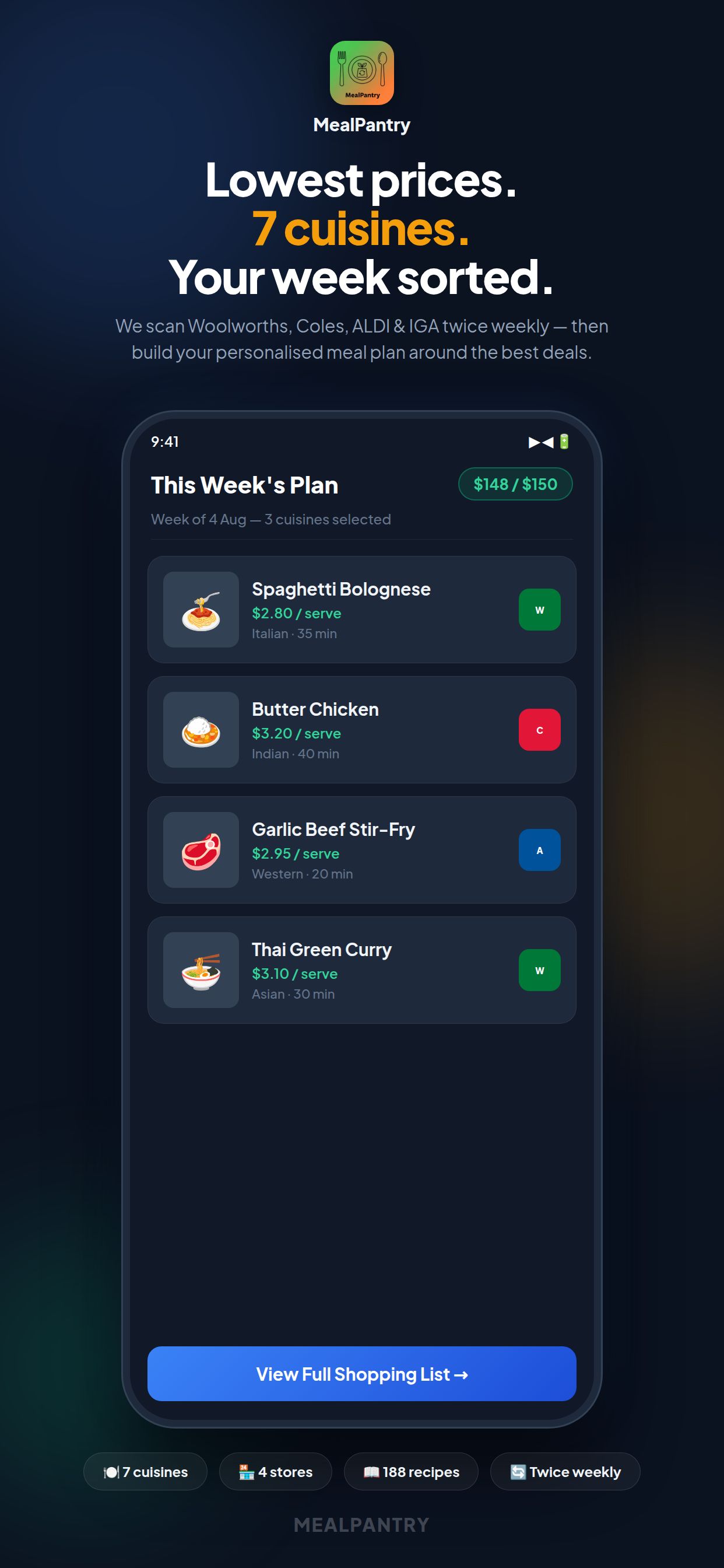
MealPantry turns supermarket specials into a personalised weekly meal plan and shopping list.
The hidden risk: losing muscle, not just fat
Weight-loss injections can reduce how much people eat by roughly 16–39%. That drives real weight loss — but studies show that up to 40% of the weight lost can be lean body mass (muscle), not fat. A major review from the University of Cambridge and UCL warns that without proper nutrition, reduced intake may also lead to shortfalls in protein, fibre, vitamins and minerals — raising the risk of fatigue, weakened immunity, hair loss and osteoporosis.
Why "just eat less" can backfire
It's tempting: if the medicine reduces your appetite, why not eat almost nothing and lose faster? Because when you under-eat, your body may break down muscle as well as fat. Losing muscle can slow your metabolism, sap your strength, and make weight easier to regain later. The goal on a GLP-1 isn't to eat as little as possible; it's to make every reduced mouthful count.
The 4 nutrition priorities that help protect you
Leading obesity and nutrition bodies — including a joint advisory from the American College of Lifestyle Medicine, the American Society for Nutrition, the Obesity Medicine Association and The Obesity Society — point to the same priorities:
Prioritise protein
Spread it evenly across meals to help preserve muscle. An Endocrine Society study found higher protein intake protected patients from muscle loss.
Choose nutrient-dense whole foods
With less food overall, every bite needs to carry vitamins, minerals and fibre — experts borrow the same principles used after bariatric surgery.
Keep fibre and fluids up
They can ease common side effects like constipation and nausea, and help keep you regular.
Eat smaller, more frequent meals
Often easier to tolerate when appetite is low, and easier to spread protein across the day.
Pairing this with some resistance or strength exercise is one of the best-supported ways to hold on to muscle while you lose fat.
How much protein — and when
1.0–1.5g
per kg of body weight / day
Most guidance points to roughly this much protein, spread across your meals rather than crammed into one — around 20–35g at each meal. Your exact target should be set with your doctor or an Accredited Practising Dietitian, especially if you have kidney or other health conditions.
The best high-protein foods on a budget
You don't need expensive shakes or specialty products. Some of the highest-protein foods are also the cheapest — especially on special:
| Food | Protein | Approx cost |
|---|---|---|
| Chicken breast (100g) | ~31g | ~$1.30 |
| Tinned tuna (95g) | ~23g | ~$1.20 |
| Firm tofu (100g) | ~16g | ~$0.80 |
| Greek yoghurt (170g) | ~15g | ~$1.10 |
| Tinned lentils/chickpeas (1 cup) | ~15g | ~$0.90 |
| Eggs (2) | ~13g | ~$0.90 |
| Cottage cheese (100g) | ~11g | ~$1.00 |
| Baked beans (½ can) | ~10g | ~$0.70 |
| Milk (250ml) | ~8g | ~$0.35 |
Protein and cost are approximate and vary by brand and specials. Buying these staples on half price makes hitting your target even cheaper.
A sample high-protein day (around $9)
Small, frequent, protein-forward meals — often easier to tolerate when appetite is low:
| Meal | What to eat | Protein |
|---|---|---|
| Breakfast | Greek yoghurt + oats + berries | ~22g |
| Snack | 2 boiled eggs | ~13g |
| Lunch | Tuna & chickpea salad | ~32g |
| Snack | Cottage cheese + wholegrain crackers | ~13g |
| Dinner | Chicken or tofu stir-fry + veg + rice | ~35g |
| Daily total — about $9 | ~115g | |
How MealPantry makes it effortless
Most people on weight-loss injections get the medicine privately, with little or no structured nutrition support. Knowing you need protein and nutrient-dense food is one thing — planning it, shopping for it, and keeping it affordable every week is another.
What to eat is only half the problem. Planning and paying for it is the hard part.
MealPantry checks supermarket deals near you and turns them into a full 7-day meal plan and shopping list, based on your tastes, diet and budget.
High-protein meals, planned around your budget.
MealPantry makes it easy to eat well on a GLP-1 medicine without the planning stress. Try it free for 30 days.
⬇ Start Your Free 30-Day Trial$5.99/month or $49.99/year after your free trial · Cancel anytime · Available on iOS and Android
Frequently asked questions
Should I eat less on weight-loss injections?
The medicine already reduces your appetite and calorie intake. Deliberately eating even less can lead to muscle loss and nutrient shortfalls. Experts suggest focusing on enough high-quality protein and nutrient-dense food, not less. Always follow your doctor or dietitian's advice.
How much protein might I need?
Guidance commonly cited is around 1.0–1.5 grams of protein per kilogram of body weight per day, spread evenly across meals — but your target should be set with your healthcare provider or dietitian.
What are the best cheap high-protein foods?
Eggs, tinned tuna, chicken, tofu, Greek yoghurt, cottage cheese and legumes like lentils and chickpeas are all high in protein and affordable — especially when bought on special.
Can MealPantry help while I'm on a GLP-1 medicine?
MealPantry makes it easy to plan high-protein, nutrient-dense meals around your budget and this week's specials. It's a meal-planning tool, not medical advice or a tracker. Try it free for 30 days.
References
- Wilding JPH et al. Once-Weekly Semaglutide in Adults with Overweight or Obesity (STEP 1). N Engl J Med 2021;384:989–1002.
- ACLM, ASN, OMA, TOS. Nutritional priorities to support GLP-1 therapy for obesity: joint Advisory. Am J Clin Nutr 2025.
- Neeland IJ et al. Changes in lean body mass with GLP-1-based therapies and mitigation strategies. Diabetes Obes Metab 2024;26(S4):16–27.
- Almandoz JP et al. Nutritional considerations with antiobesity medications. Obesity 2024;32(9):1613–1631.
- Apovian CM et al. Pharmacological Management of Obesity: An Endocrine Society Clinical Practice Guideline. J Clin Endocrinol Metab 2015;100(2):342–362.
- Healthdirect Australia. Weight loss medicines (GLP-1 receptor agonists). healthdirect.gov.au
Medical disclaimer: Weight-loss injections are prescription medicines. Do not change your diet, dose or medication based on this article. Always consult your doctor or an Accredited Practising Dietitian for advice tailored to you.